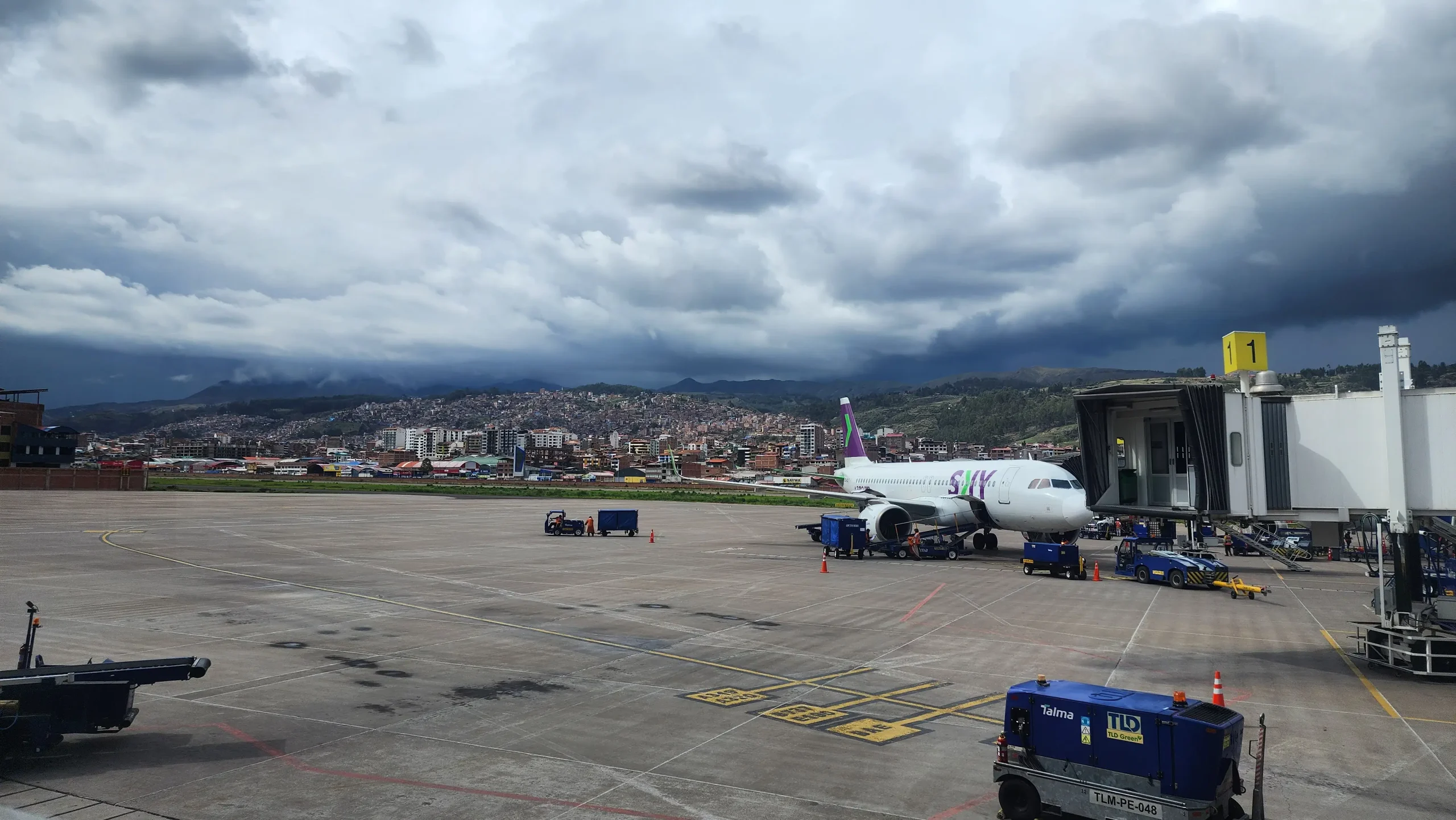
One hour and three minutes after I landed in Cusco, I was flat on the Airbnb bed and couldn’t get up. The headache had come on fast and mean — altitude, a body that had never been this high. Out the window were the mountains I’d flown thousands of miles to stand in front of. I couldn’t lift my head off the pillow to look. I’d had a whole plan for that afternoon.
That timeline is the pivot. It’s the exact moment the version of the trip I bought and paid for collided with the reality of where I actually was.
Most people travel with a ghost. They bring an invisible, perfect version of the journey in their carry-on. It’s the one where the flight is on time, the bags are first off the belt, and the air in the new city feels like an invitation rather than a physical weight.
That’s a vacation.
A vacation is a script. I follow the itinerary, I eat the meals I saw on the blog, and I take the photos I planned to take before I left the house. It is controlled. It is safe. It is designed to confirm what I already believe about myself and the world.
But travel — the kind that actually does the work — doesn’t start until that script is torn up.
The real trip begins the moment the imagined one dies.
The Debt of the Imagined
I book trips to escape my context. The Daily Drift of normal life sets in — the same coffee, the same commute, the same predictable frustrations — and a change of scenery starts to look like the answer. I imagine I’ll be more adventurous when I land. More patient. More present.
The imagined trip is a form of debt. I borrow a version of myself that doesn’t exist yet, and I expect the destination to pay the bill.
When I land, I try to force the reality to match the ghost. I fight the delays. I get angry at the language gap. I resent the headache or the humidity because they weren’t in the brochure. I spend the first three days trying to “get the trip back on track.”
This is a mistake.
The “track” was a lie I told myself in a climate-controlled room three months ago. Trying to recover the imagined trip is just another way of staying in the drift. It’s an attempt to remain in control when the entire point of going somewhere unfamiliar is to lose it.
The Hard Path of Presence
There is a specific kind of clarity that only comes when the plan fails.
When the body gives out at altitude, or the wallet vanishes, or the city simply refuses to be what I wanted it to be, I am forced into a choice. I can mourn the vacation I lost, or I can begin the trip I actually have.
Accepting the reality in front of me is The Hard Path.
It requires me to drop the ego. It demands that I stop performing for the version of the story I intended to tell people back home. When the imagined trip dies, I am left with nothing but the immediate, physical present.
The air is thin — my head throbs. The street is louder than I expected.
This is where the work happens.
Travel is supposed to break my context. It’s supposed to strip away the assumptions I use to get through my daily life. If the trip goes exactly as planned, I haven’t actually gone anywhere; I’ve just moved my comfort zone to a different place.
The friction is the point. The thing that is “ruining” my plan is actually doing the job I hired the trip to do. It is forcing me to pay attention. It demands No Drift.
The Gift of the Collapse
The faster the imagined trip dies, the sooner I can start being where I am.
If it takes a week for the plan to fall apart, I’ve wasted seven days chasing a ghost. If it happens in one hour and three minutes, I’ve been given a gift. I’ve been shoved into the deep end before I had time to dip my toes in.
This isn’t about “embracing the chaos” or some other hollow travel-blog sentiment. It’s about the brutal, intentional living required to deal with what is true rather than what is preferred.
I’ve spent most of my life drifting through imagined versions of my career, my relationships, my potential. Living in the “should be” and the “planned to.” Avoiding the hard reality because it’s uncomfortable and doesn’t look good in a frame.
Travel just happens to be the most expensive and visceral way to learn that the plan is not the territory.
The headache, the wrong turn, and the missed connection are the journey. Everything else is just a postcard.
You traveled thousands of miles to be changed. Change requires a collision. It requires the death of the person who thought they knew how this was going to go.
The real trip starts when the imagined one ends.