
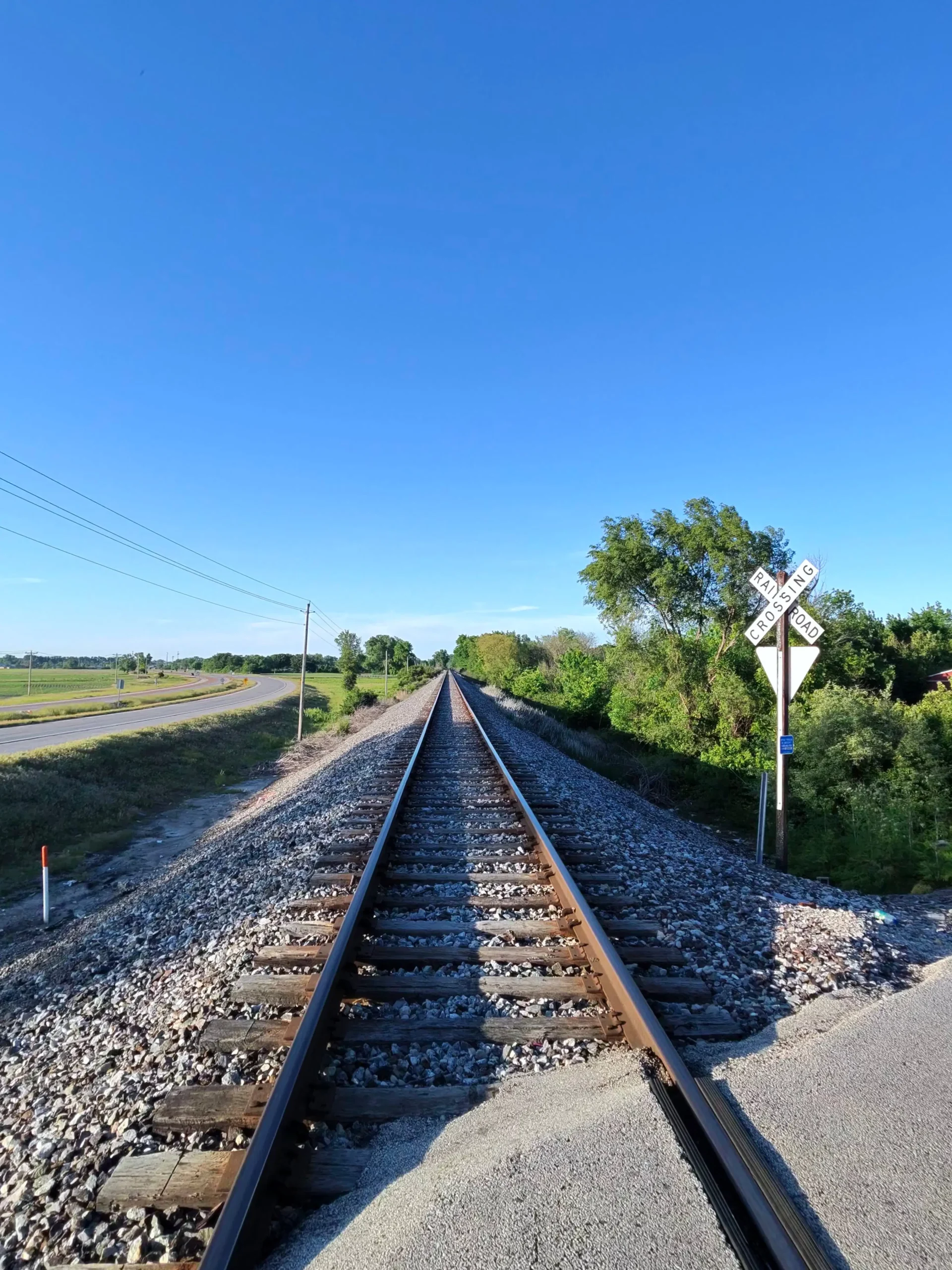
Two nights ago I rode to St. Jacob for dinner with my grandpa and my mom. I was running on empty. The easy move would have been to cancel, to stay home, to let the day own me. I didn’t. Not because I was firing on all cylinders. Because I’d learned, finally, that there’s a gear between sprint and quit.
I used to think discipline was a toggle switch. On or off. High gear or the ditch.
Most of the noise in the self-growth space backs this same view. It sells the peak gear. It markets the 4 AM cold plunge, the sweat-drenched PR, and the flow-state breakthrough. These moments are real, and they are necessary. But they are not where I spend most of my life.
I spend most of my life in the Tired hours.
The marketing for discipline assumes you have traction. It assumes the sun is up and the mind is clear. But real life often feels like a twelve-hour shift where nothing breaks, but nothing soars either. It’s heavy. It’s in the bones.
The Daily Drift wins on these days because I was taught to recognize discipline only when it looks like intensity. If I’m not sprinting, I assume I’ve quit.
I’ve had to learn the discipline of the neutral gear.
The Myth of Constant Acceleration
I was conditioned to believe that if I wasn’t gaining ground, I was losing it. The internet is a highlight reel of high-RPM living. Every post promises transformation, every morning routine claims to be a “revolution.” This creates a mental framework where discipline is synonymous with maximum output.
But constant acceleration isn’t a strategy; it’s a recipe for a blown engine.
When I look at my own path — the twenty years spent searching for a way out of the drift — the failures often happened when the sprint ended.
I would hit a wall of exhaustion, look at the peak I was supposed to be maintaining, and realize I couldn’t do it.
Because I didn’t have a middle gear, I would downshift straight into the dirt. I would stop. I would scroll. I would drift.
I treated anything less than 100% as a failure of character. I didn’t realize that the most important part of the journey isn’t the speed of the climb, but the refusal to get off the bike when the road gets flat and gray.
The Motorcycle Metaphor
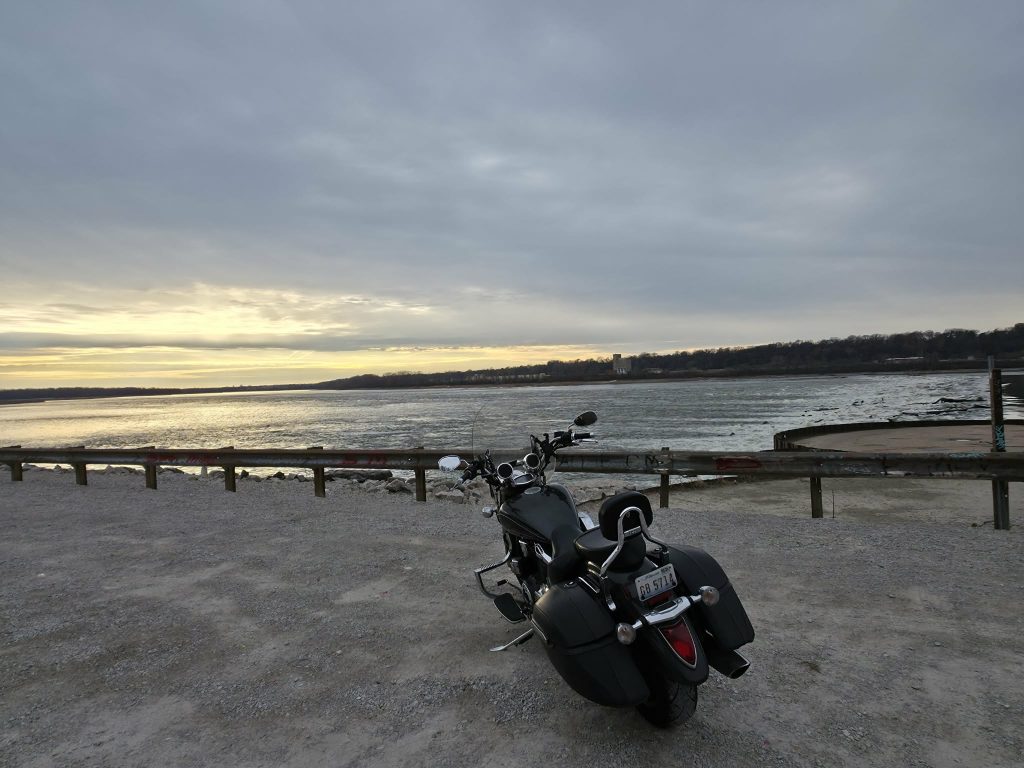
In the context of a motorcycle, neutral isn’t the same as being off the bike.
When you’re in neutral, the engine is still running. The oil is circulating. The spark is there. You haven’t put the kickstand down and walked away into the grass. You aren’t moving forward yet, but you are still in the game. You are checking the map. You are letting the heat dissipate. You are staying ready for the next leg of the Hard Path.
I used to treat neutral as a moral failure. I’d hit a day where peak performance wasn’t on the menu — the mind foggy from a long shift, the body drained, the motivation gone — and I’d collapse. I’d trade intentionality for the couch because I didn’t know how to exist in the middle.
The discipline of the neutral gear is the skill of staying functional when peak isn’t available.
It’s the understanding that running is a state of being, not just a measurement of speed. It is the tactical decision to keep the engine warm so that when the road opens up again, you don’t have to spend an hour trying to kickstart your life back into existence.
The Power of Maintenance Reps
Discipline in the neutral gear looks like maintenance reps. These are the actions that don’t feel like winning, but they prevent losing.
In the Strategic Friction piece, I wrote about choosing resistance to stay honest. In the neutral gear, that resistance is scaled down, but it is never removed.
It’s the three pages written when I’m exhausted and the prose feels like lead.
It’s the twenty-minute walk taken when the heavy lift was too much.
It’s leaving the phone in the other room when the willpower for deep work is gone, even if I just sit in the silence.
It’s the kept promises that don’t feel meaningful in the moment.
These actions don’t get celebrated. They don’t make it into the grindset montages. But they are the foundation of everything else. They are the floor that keeps you from falling back into the cycle of settling.
When I perform a maintenance rep, I’m sending a signal to my identity. I am still the kind of person who does the work, even when the work is small.
This is how you beat the Daily Drift. The drift doesn’t usually catch you during the big battles; it catches you in the quiet, tired gaps between them. It waits for the moment you decide that because you can’t do the big thing, you might as well do nothing.
Neutral gear is the refusal of nothing.
Sustainability Over Intensity
The man who only knows how to sprint is a liability to himself.
He is the one who starts a new regime full throttle, burns out in three weeks, and spends the next three months drifting in the current of convenience. He is addicted to the high of intensity, which makes the low of daily maintenance feel unbearable.
Sustainability requires a dichotomy of control approach. I cannot always control the energy I have at 9:00 PM after a twelve-hour shift. I cannot control the brain fog or the external stressors that pile up.
But I can control the gear.
If I can’t find fifth gear, I find neutral. I stay on the bike. I keep the engine running.
This isn’t rest in the way modern wellness culture describes it. It isn’t an escape or a numbing of reality. It is a disciplined, active state of readiness. It is the recognition that the Tired hours are often the most important hours of the day — not because of what you produce, but because of what you refuse to give up.
Without this middle gear, there is no Hard Path. There is only burnout dressed up as intensity, followed by quit days dressed up as rest.
The man who can hold neutral is the man who lasts. He didn’t sprint himself into a ditch, and he didn’t walk away when the momentum stalled.
He stayed on the bike.