
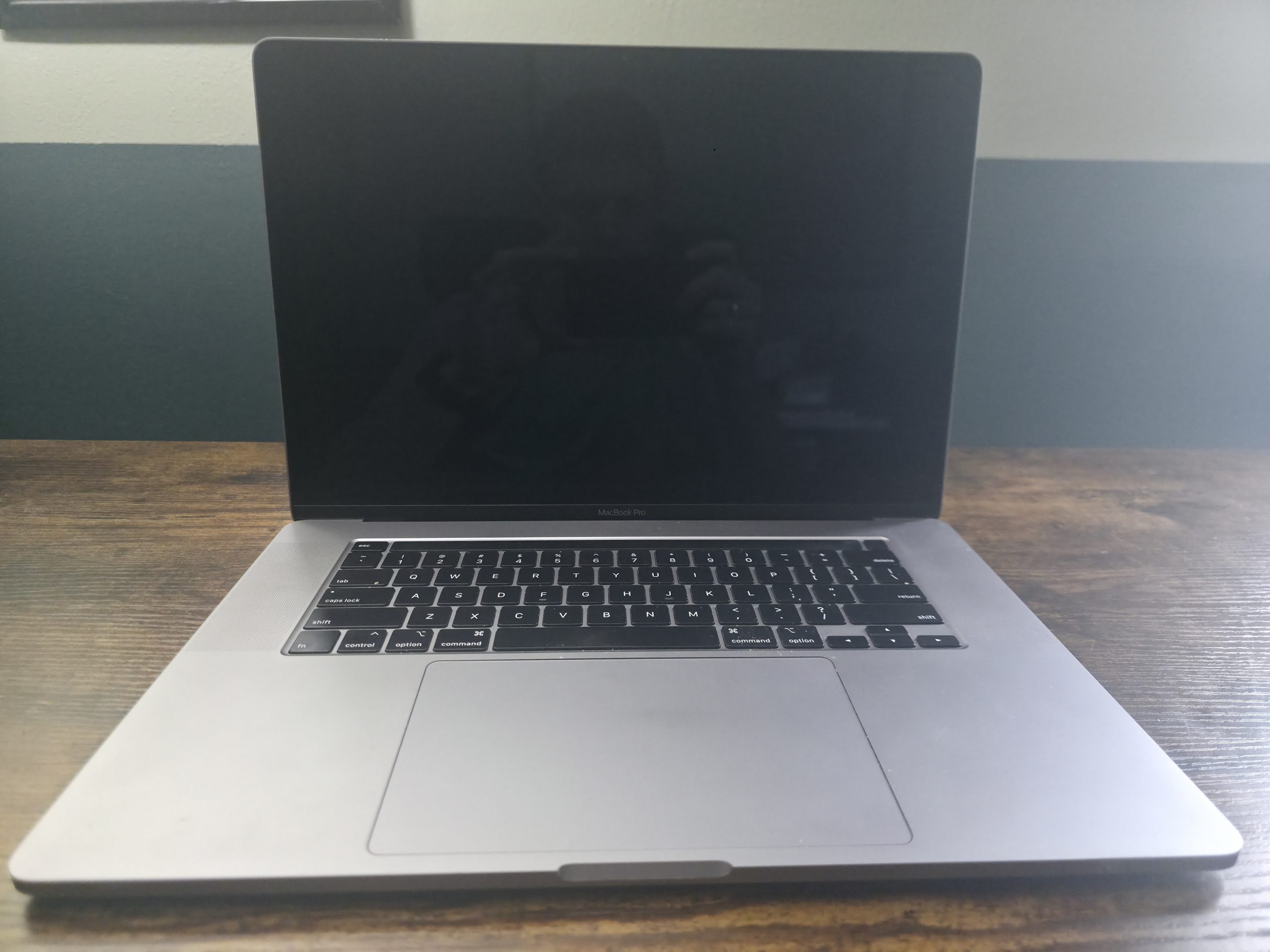
The MacBook on my desk is six years old. I bought it refurbished on Back Market for a fraction of what a new one would have run. It does everything I need it to do. The not-buying is part of the math that gets me to where I am trying to go.
That math is not complicated. It is just unpopular.
The Cage Nobody Sells You
The standard advice on financial freedom runs in one direction: earn more. Get the raise, add the income stream, scale the side hustle. That advice is incomplete in a way that costs people years. Earning more is slow, partly outside your control, and subject to the same lifestyle creep that swallowed the last raise before you noticed it was gone. You chase the number up and the need climbs right behind it.
There is a second lever. Nobody sells it because nobody profits from you wanting less.
The gap between what comes in and what you need is the real number. Widen that gap and you have options. Narrow it and you are running on a treadmill that gets faster every time you earn more. Most people spend their working lives making the treadmill faster and calling it progress. The Daily Drift has a financial version, and it does not announce itself. It just shows up as a slightly nicer truck, a slightly newer phone, a slightly bigger payment attached to a slightly better version of what you already had.
What the MacBook Proves
Six years is not long for a laptop that still does the job, even if the upgrade cycle says otherwise. Keeping a machine that works is a quiet act of refusal.
I kept it because replacing it would have cost money I could put somewhere else, toward something that moves the needle on actual freedom rather than the appearance of staying current. The MacBook is a tool. Tools get replaced when they stop working. This one still works.
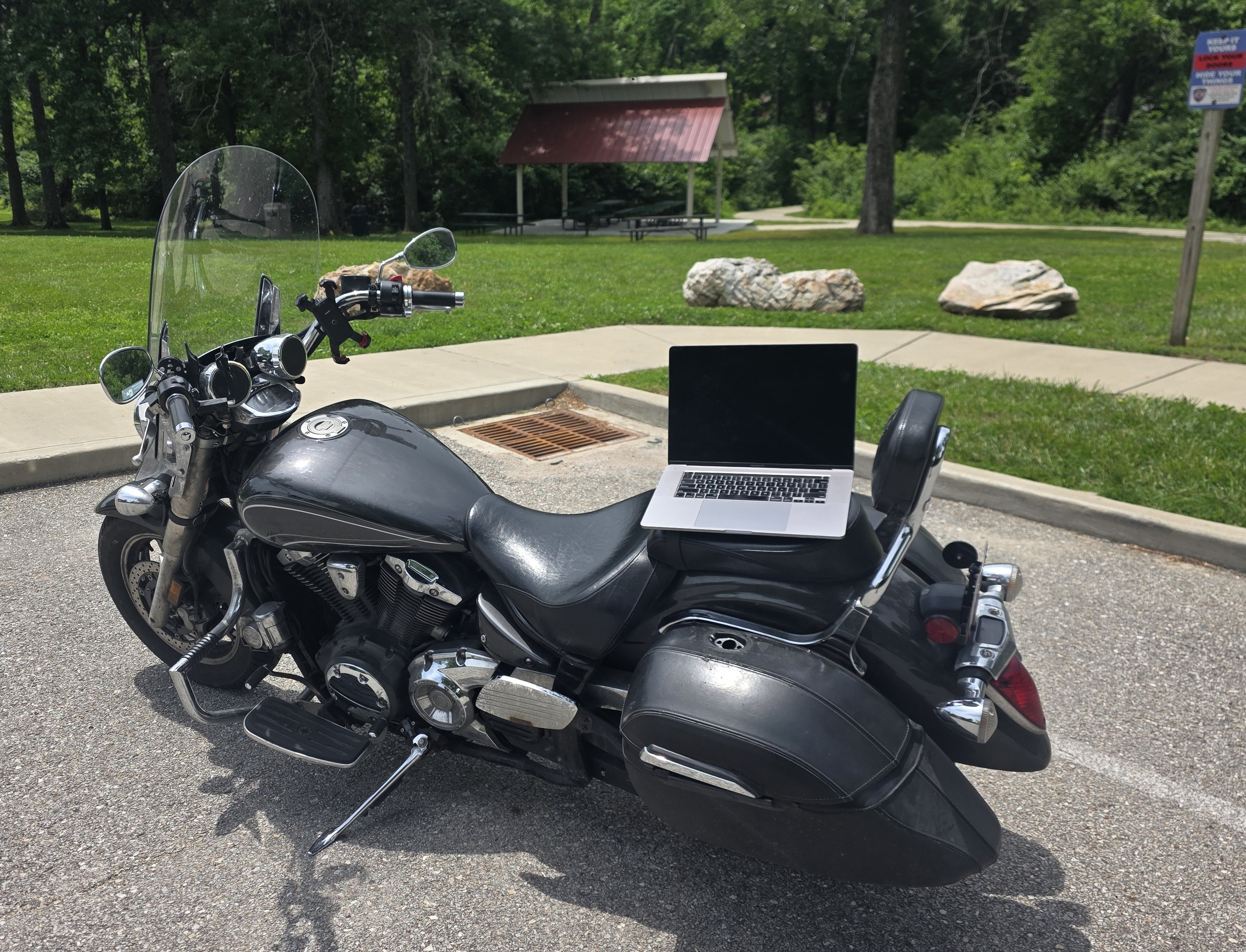
The same logic runs through the vehicle situation. The bike is paid for and proven. Both trucks are down right now, one in the shop for months, one sitting outside not worth fixing. The obvious move was a car note. I did not take it. Not because the cold rides were fun, but because adding a monthly obligation to solve a problem that discipline was already handling would have been the wrong move. The not-buying compounds the same way the buying does. It just compounds in your favor.
The Distinction
Choosing to need less is not the same as choosing to go without. That distinction is the whole thing. It is a cold look at what you actually require versus what the culture around you has decided you should want.
The Stoics drew a clear line between tools and dependencies. A thing that serves you is different from a thing you have reorganized your life around keeping. The MacBook serves me. A payment attached to a newer model I do not need would be a dependency. One is a tool. The other is a landlord collecting rent on a lifestyle I did not consciously choose.
When I stopped drinking, the first thing I noticed was not the absence of alcohol. It was the absence of everything I had been spending to maintain that habit, in money, in time, in the mental overhead of managing around it. Needing less of something that was costing me everything opened up space I did not know was missing. The financial version of that lesson runs the same way. Every obligation you do not take on is space that stays open for something you actually chose.
The Two Levers
Raise income or lower the need. Both widen the gap. One is faster and fully in your hands right now.
Raising income is real work and worth doing. But it takes time, depends on circumstances outside your control, and has a ceiling that lifestyle inflation is always trying to match. Lowering the need is available today. It does not require a promotion or a client or a platform. It requires a decision about what you actually need versus what you have been told you should want.
The move is not to stop earning. The move is to stop letting your expenses write checks your freedom has to cash.
What the Gap Buys
Freedom is the distance between what you need and what you have. Keep that distance wide enough and you make decisions from a position of choice rather than obligation. You can say no to the overtime that costs more than it pays. You can walk away from the situation that is wrong without the payment schedule making that impossible.
The MacBook on the desk and the bike in the garage are just tools. They cost nothing to keep. That is exactly why they have been able to hold the line through stretches that would have buried me in payments if I had made different choices a few years back.
The not-buying compounds. The gap stays open. The options stay yours.
That is the math. Everything else is noise.