
Three hours of sleep last night. The shift was loud — not the kind of loud you can fix, the kind you absorb. I sat up before the alarm and stared at the ceiling for a while deciding if I was going to write today or not. The principle of showing up on hard days is what got me to the desk. Not greatness. Not output. One page. The bar is: did not quit.
There is a common misread of discipline that kills more progress than laziness ever will. It is the idea that the work only counts if it is performed at a high level. I’m told to give one hundred percent, every day, without exception. It sounds noble in a social media caption, but it is a lie that ignores how hard days actually work.
The Daily Drift is a patient enemy. It doesn’t usually win by making you decide to give up on your life in one grand gesture. It wins by waiting for a day like today — a day when the sleep is thin and the pressure is high — and whispering that since you can’t do the work “right,” you shouldn’t do it at all.
It tells you that a ten-minute walk isn’t a workout. It tells you that one paragraph isn’t a chapter. It tells you that if you can’t be great, you might as well be nothing.
I have spent too many years listening to that voice. I used to think that if I missed my target by an inch, I might as well miss it by a mile. That is how a bad afternoon turns into a lost week, and a lost week turns into a season of settling.
Defending the Baseline
Progress is not built on the good days. It is protected on the bad ones.
On the days when the sun is out and the energy is high, the work is easy. Anyone can keep a promise when they feel like it. But the version of me that exists when everything is falling apart is the one who actually decides the direction of my life.
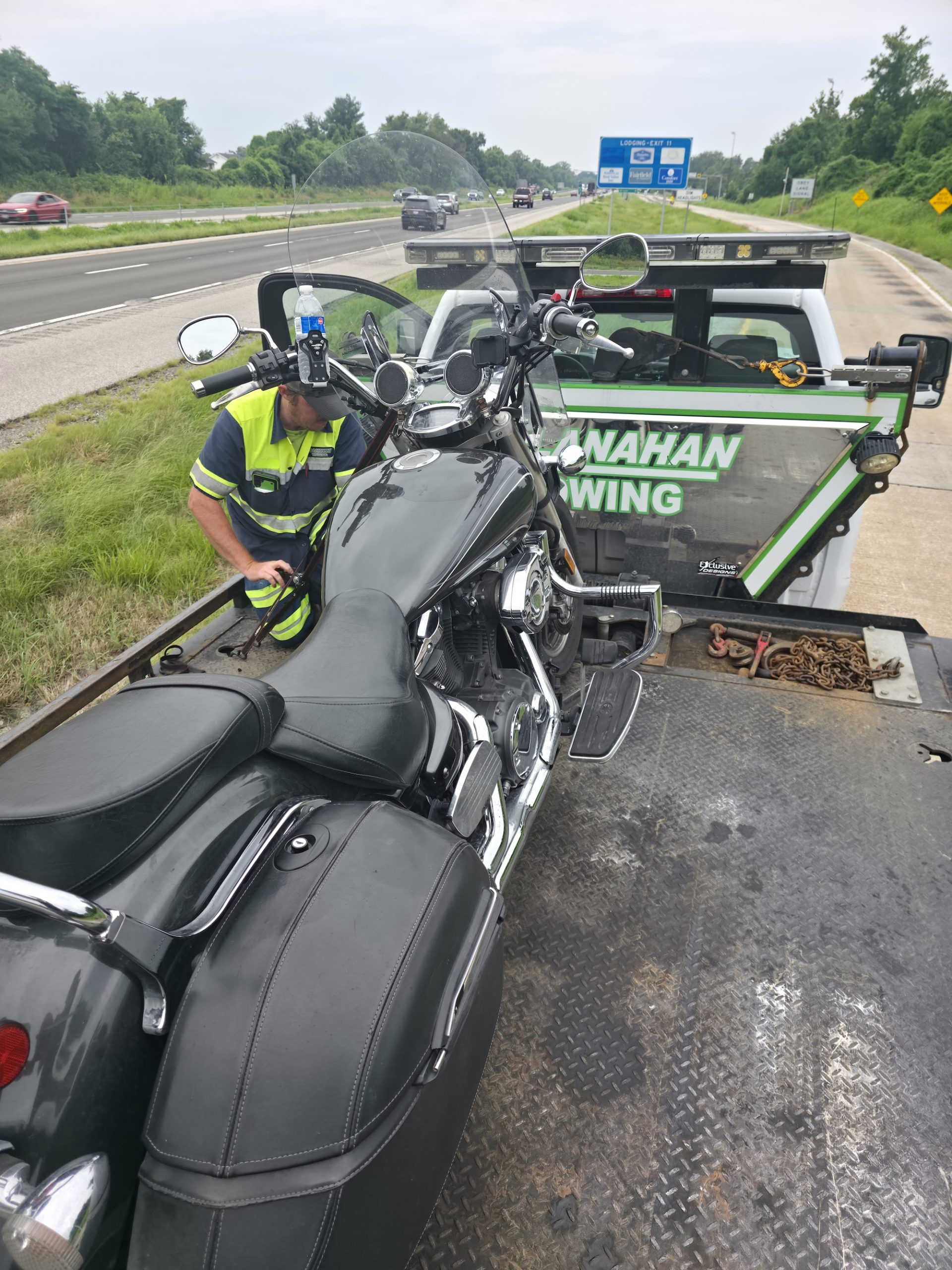
When the bike breaks or the shift runs long or the mood shifts into something heavy and grey, the goal changes. I am no longer looking for greatness. I am looking for survival. I am looking for the smallest possible version of the work that keeps the momentum from hitting zero.
I call this defending the baseline. It is a defensive posture. It is the refusal to let the chain break.
If I cannot run five miles, I will walk one. If I cannot write a thousand words, I will write one sentence. If I cannot spend an hour in deep study, I will spend five minutes.
The scale of the action is almost irrelevant. What matters is the intentional decision to remain the person who does the work.
One Kept Promise
The power of lowering the bar is that it removes the excuse of not enough.
When the bar is “one page,” I cannot claim I don’t have time. When the bar is one rep, I cannot claim I am too tired. It forces me to look at the resistance for what it actually is: a desire to drift.
Showing up on hard days isn’t about the size of the win. Every time I clear that low bar, I am voting for my future self. I am proving that my discipline is not a fair-weather arrangement. I am building a history of kept promises that I can rely on when the stakes are higher than a missed workout or a blank page.
This is The Hard Path. It isn’t always about the climb. Sometimes it’s about standing your ground in a headwind and refusing to be pushed backward.
I worry so much about the speed of my progress that I forget the importance of my trajectory. A slow crawl in the right direction will always beat a high-speed sprint toward a cliff.
Casting the Character
Most people think character is tested on the hard days. It’s backwards. Character is cast on the hard days.
When things are easy, I’m riding the current. It’s only when the current turns against me that I find out what I’m actually made of. The man who finishes the one page on three hours of sleep is a different man than the one who writes ten pages on a full night’s rest.
The first man is building the internal framework of someone who cannot be stopped by circumstance. He is becoming someone he can respect.
If you are in the middle of a loud shift right now, or if you are staring at a ceiling wondering why everything feels so heavy, stop looking for the energy to be great. You don’t need it. You need the grit to be there.
Lower the bar. Find the smallest version of your work. Do it.
The win is not the output. The win is that you did not quit.