
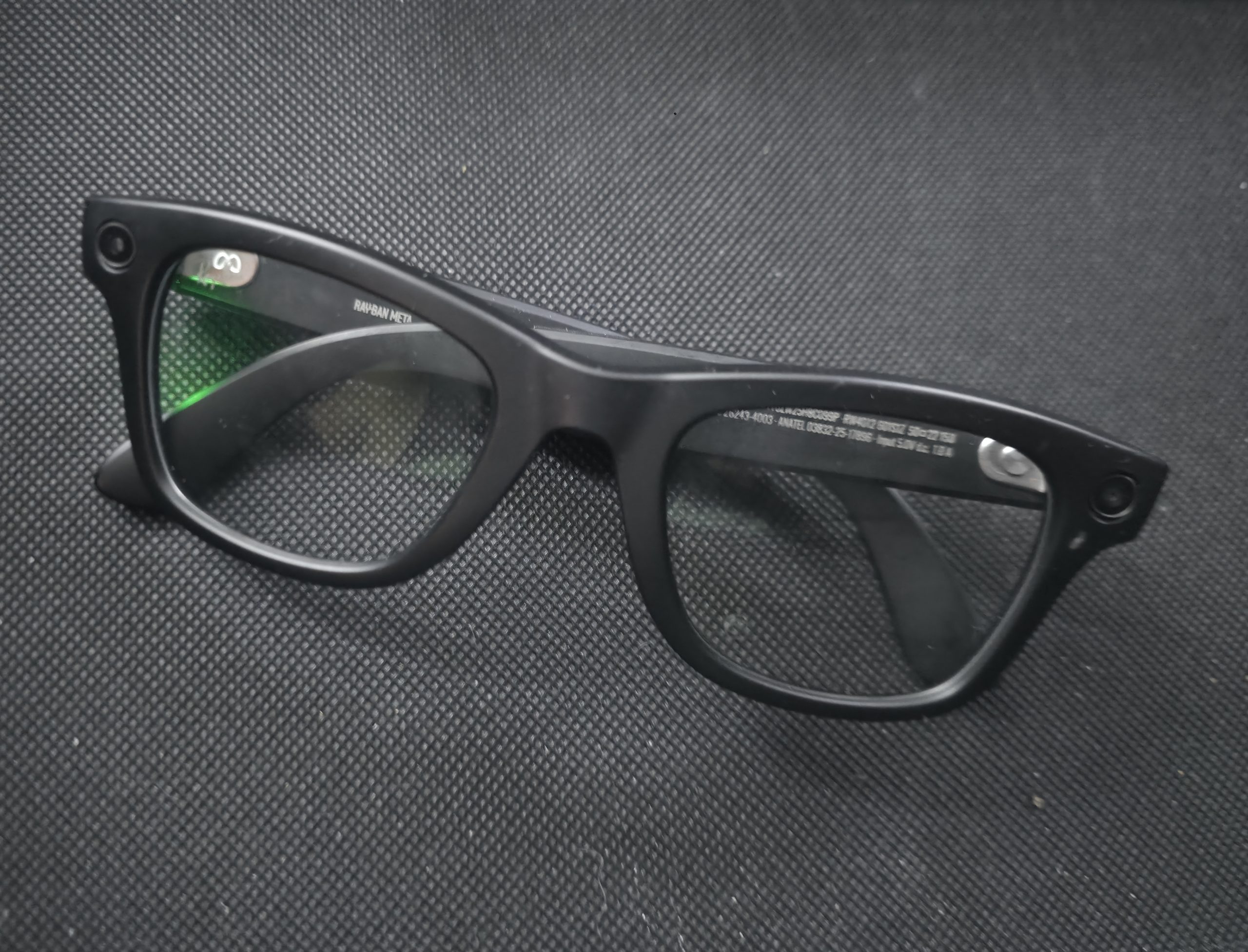
My Meta glasses are sitting in a drawer right now, not working. They quit on me a while back, and the replacement process has turned into its own fight. I mention them because when I plan the gear for a trip and ask “what if a camera fails out there,” I am not being paranoid. It has already happened. Things break. The Stoics had a practice built around exactly this, and it is the difference between packing a backup and lying awake at night.
The practice carries a Latin name: premeditatio malorum. The premeditation of evils. The deliberate practice of imagining what could go wrong before it does.
What the Practice Actually Is
Pessimism assumes the bad outcome is coming and quits early. The voice that says everything will fall apart so why bother is the Daily Drift talking. Premeditatio malorum runs the other direction. It is a disciplined, intentional scan of the realistic bad outcomes so that when one of them arrives, it arrives as a known quantity.
The Stoics built this into their daily practice because they understood something most people spend their whole lives avoiding: the thing you refuse to look at still happens. You just meet it unprepared.
Running the bad scenario in advance does two things. It strips the shock out of the outcome if it comes. And it lets you make decisions now, from a position of calm, rather than later, from a position of panic.
How It Works in Practice
Before this summer’s trip I started running the questions on purpose. What if it rains for two days straight out there? What if a camera dies on the road? The glasses in the drawer already answered whether that second one is realistic. Each question closed with a decision. A rain plan. More than one way to capture the trip. None of those calls will have to get made on a shoulder somewhere with weather coming in. They are already made.
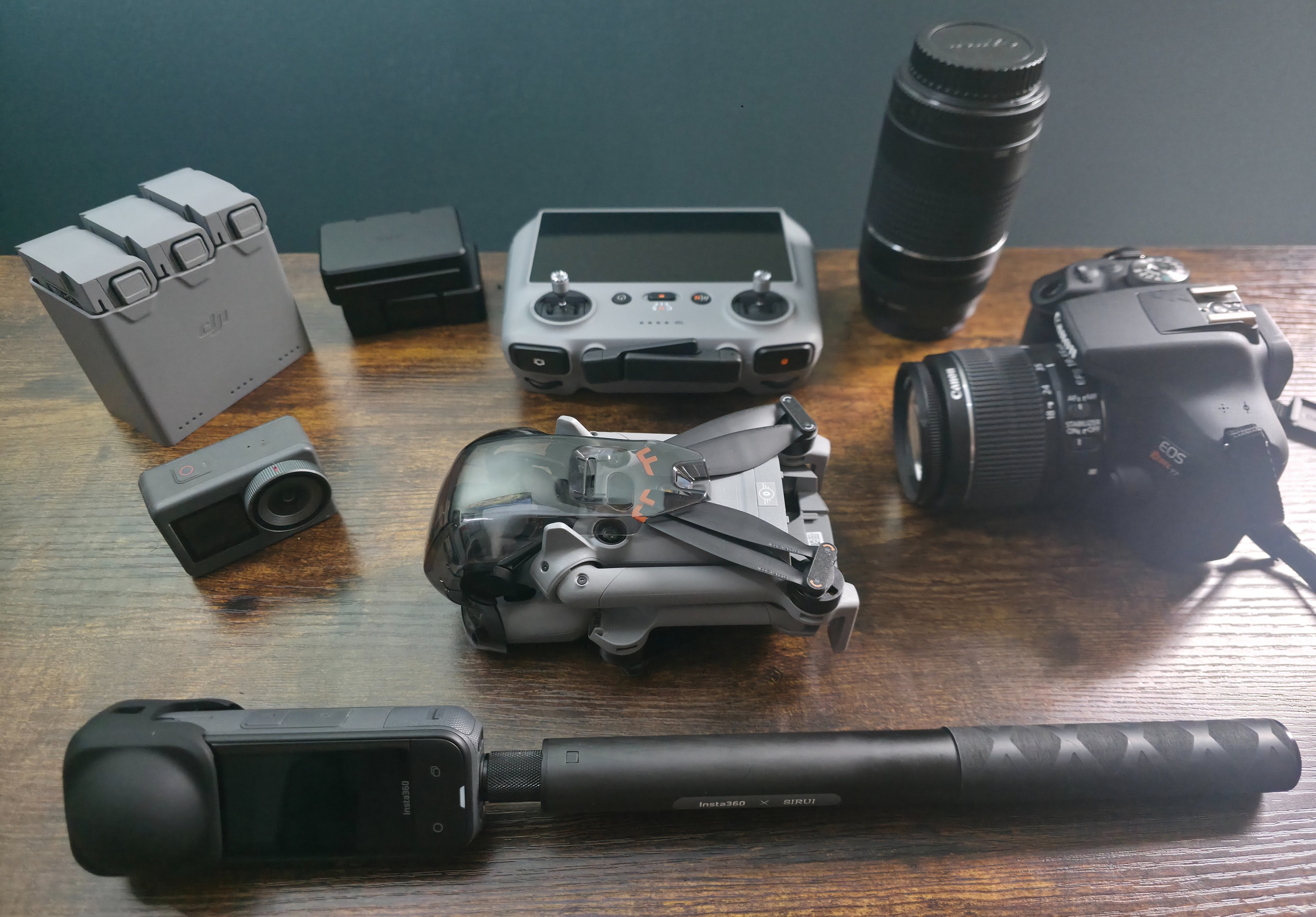
That is what the practice buys you. The hard outcomes still come. What changes is that they find you with a plan instead of a blank.
The same logic runs through anything with real stakes. The scenarios worth running are the ones attached to decisions you can actually make ahead of time. The Stoics called it wisdom. I call it not getting caught flat-footed.
Where It Goes Wrong
There is a version of this that goes wrong. That version loops the bad scenario without resolution.
The Stoics were clear on the distinction: the practice ends with a response. You run the scenario until it produces a decision, then you stop. When the scenario runs without arriving at a decision, it is not preparation anymore. It is rumination wearing the wrong label.
I know the difference because I have been on the wrong side of it. During the months the trucks were down, the what-if-the-bike-goes-too loop ran every time it rained. It felt like being realistic. It produced nothing, because there was no decision left to make. The bike was already maintained. A second backup was not in the budget. The loop knew that and ran anyway. I only saw it for what it was after the stretch ended: worry dressed up as preparation.
The difference is the question you ask at the end. Anxiety asks: what if this happens? Premeditatio malorum asks: what if this happens, and what do I do when it does? The second question has an answer. The answer is what you are actually after.
Building the Floor
The Daily Drift avoids the hard question because the hard question is uncomfortable. It assumes the good outcome and calls that optimism. Then the bad one arrives anyway and finds a person with no plan and no floor.
I do not get to control whether the rain comes or the gear holds. I do get to control whether I already thought through the move if they do not.
Running the bad scenario is how you build the floor before you need it. The floor is what holds when the day goes sideways.
The trip is a few weeks out. The scenarios are run, the moves are logged, and the gear list assumes something will break, because something usually does. The glasses in the drawer keep me honest about that. I think about the worst less than I used to. I already did.